
Diamonds get the spotlight, but the world of natural gemstones is just as captivating. Sapphires, rubies and emeralds each carry their own colour, character and meaning. Here’s how to understand them.
What is a natural gemstone?
A natural gemstone is a mineral formed in the earth and cut for jewelry. “Natural” means it was mined, as opposed to lab-created or synthetic. The most prized fine gems are diamond, sapphire, ruby and emerald — often called the “big four”.
The four classic gemstones
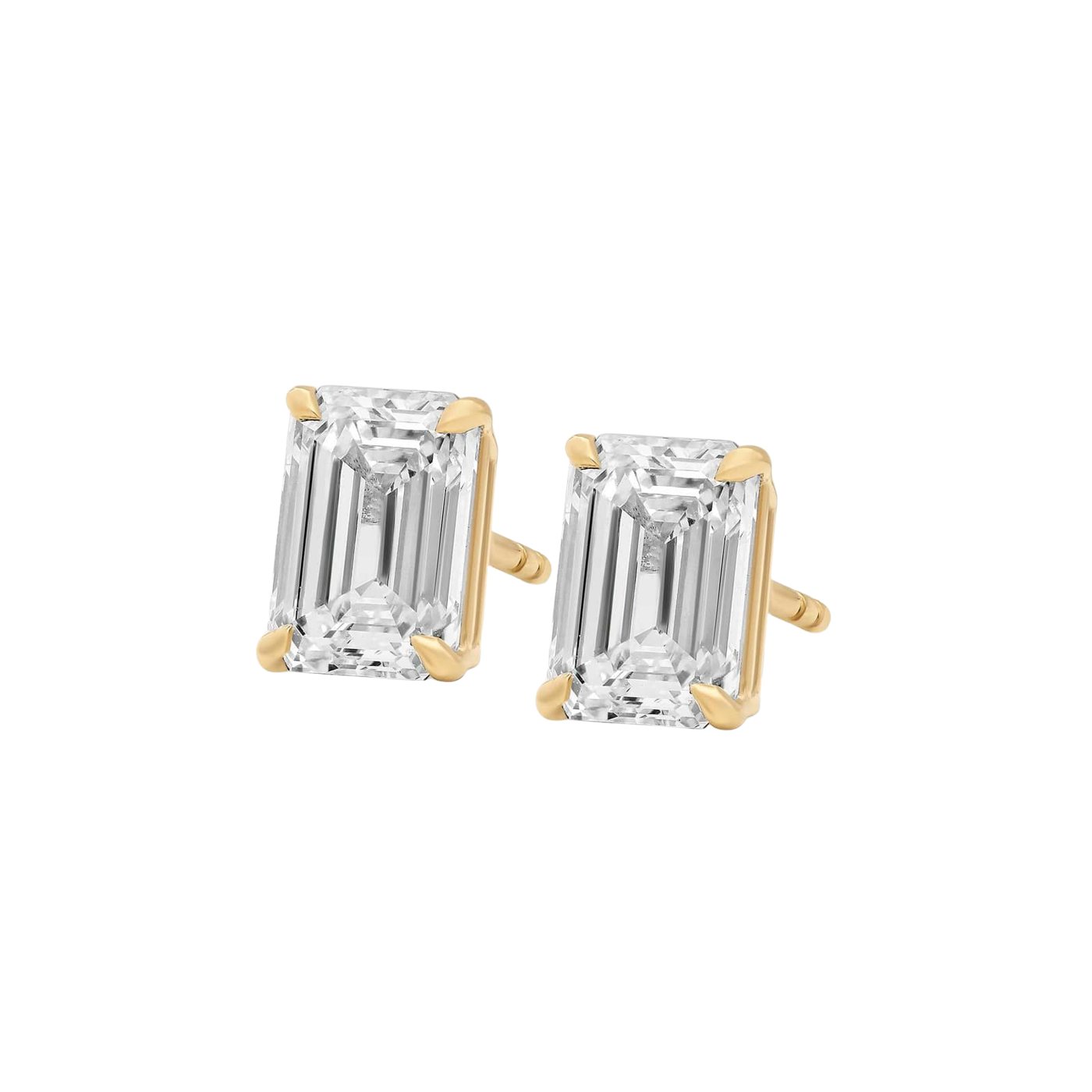
- Diamond: the hardest gem and the benchmark of brilliance — see natural vs lab-grown diamonds.
- Sapphire: famed for deep blue (but found in many colours), extremely durable and ideal for everyday rings.
- Ruby: the red variety of corundum; rich, romantic and rare in fine quality.
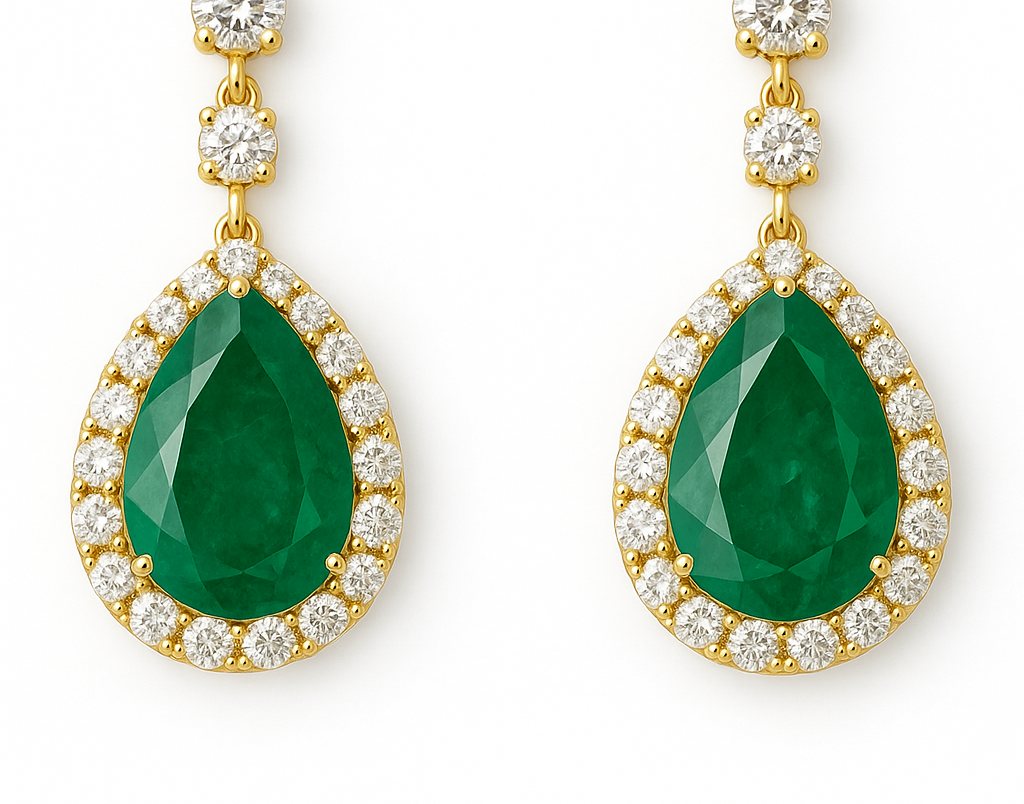
- Emerald: luminous green beryl, prized for its colour even with natural inclusions (“jardin”).
Natural vs synthetic gemstones
Like diamonds, coloured stones can be lab-created too. Natural stones command rarity and value; synthetics offer affordability and consistent colour. Reputable sellers always disclose which is which.
How to choose a coloured gemstone
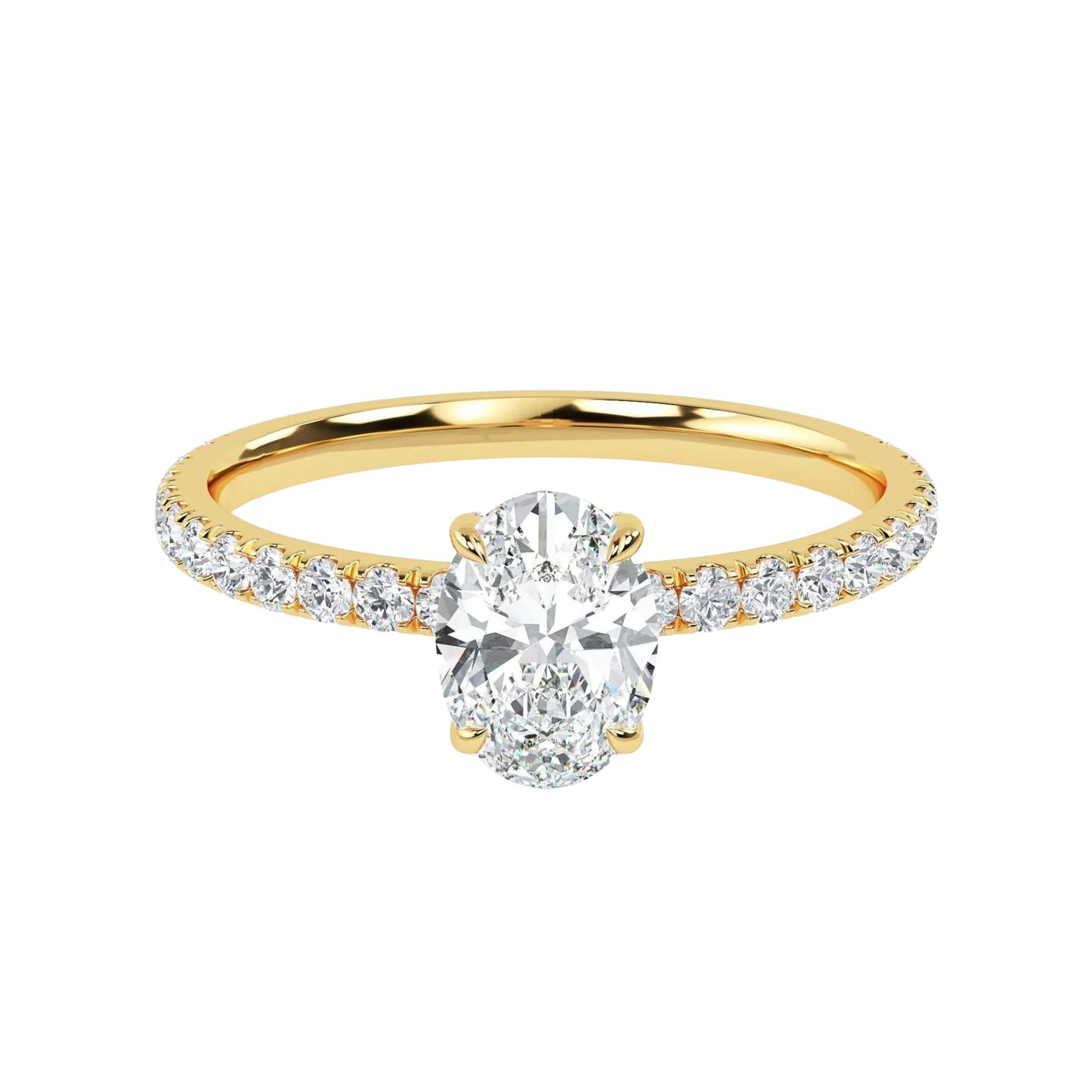
Prioritise colour first (hue, tone, saturation), then clarity, cut and carat. A vivid, well-cut stone outshines a larger dull one. Planning a ring? Coloured gems are a leading choice in our 2026 engagement ring trends.