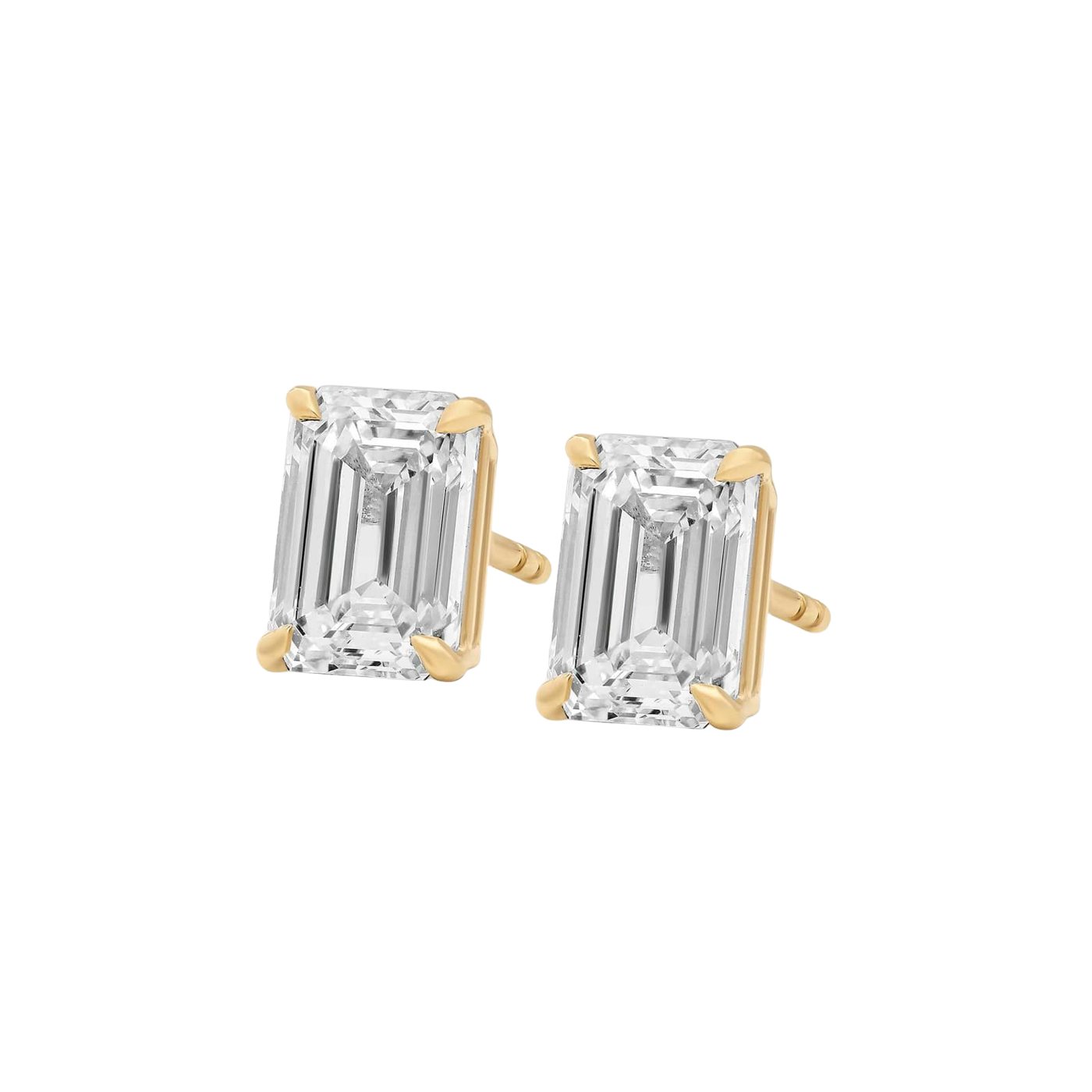
Lab-grown diamonds are one of the fastest-growing categories in fine jewelry. But what exactly are they, how are they made, and what should you pay in 2026? Here’s a clear, no-jargon explainer.
What are lab-grown diamonds?
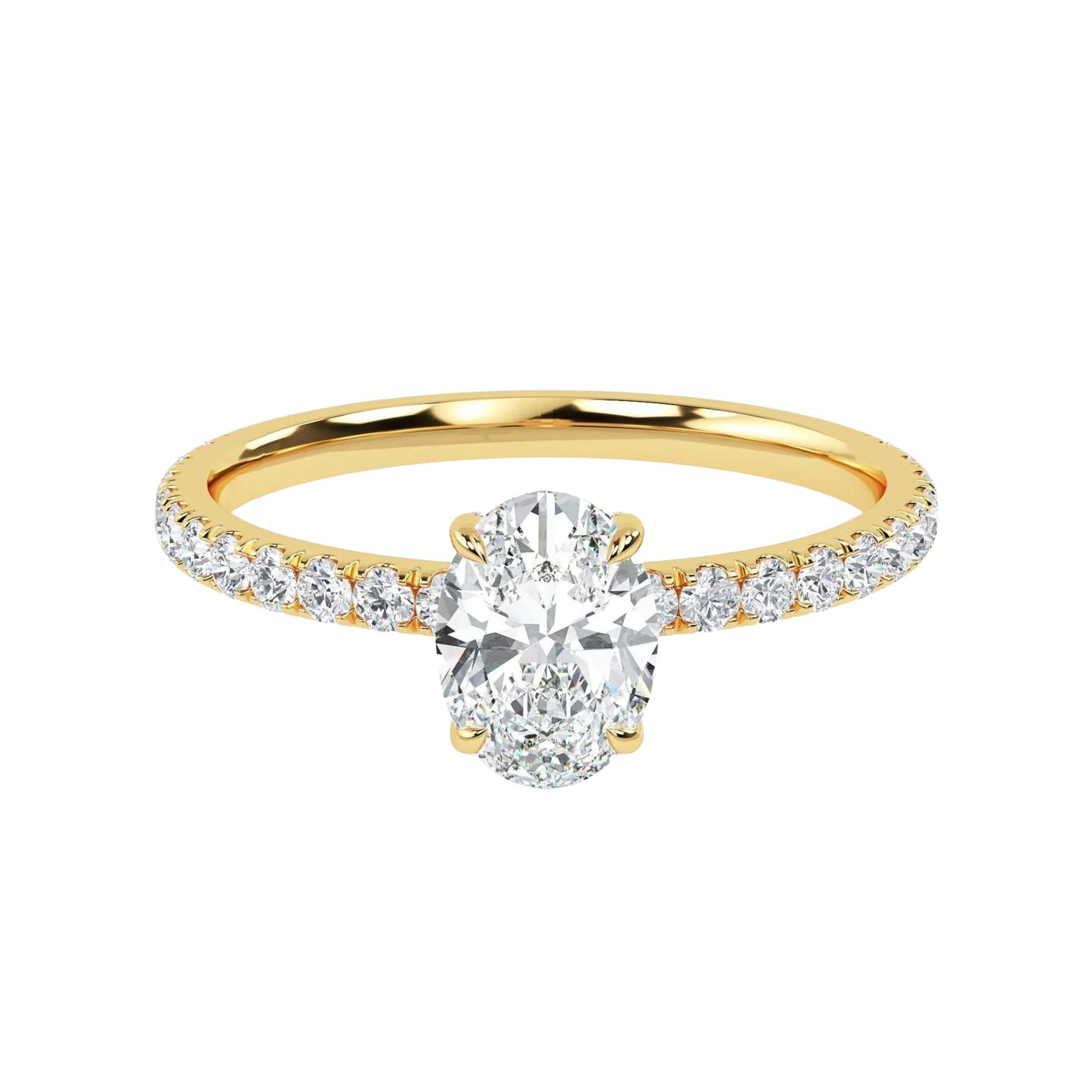
A lab-grown diamond (also called created or cultivated) is a real diamond produced in a controlled laboratory rather than mined from the earth. It has the same crystal structure, brilliance and durability (10 on the Mohs scale) as a natural diamond. For the full comparison, see our lab-grown vs natural diamonds guide.
How are lab-grown diamonds made?
- HPHT (High Pressure High Temperature): mimics the earth’s mantle, pressing carbon into a diamond around a tiny seed.
- CVD (Chemical Vapour Deposition): grows the diamond layer by layer from carbon-rich gas inside a vacuum chamber.
Both methods produce gem-quality crystals that are then cut and polished like any diamond, then graded on the 4Cs.
How much do lab-grown diamonds cost?
In 2026 lab-grown diamonds generally sell for a fraction of an equivalent natural stone — often 60–85% less per carat. That means a noticeably larger or higher-clarity stone for the same budget. Prices vary with cut quality, colour and carat, so always compare certified stones.
Are they a good value?
For sparkle-per-dollar, yes. For long-term rarity and resale, natural diamonds still lead. Your choice depends on what you value most.
Browse our diamonds or ask us anything before you buy.