Choosing between lab-grown and natural diamonds is the single biggest decision most buyers face in 2026. Both are real diamonds — identical in chemistry, hardness and sparkle — yet they differ in origin, price and long-term value. This guide breaks it all down so you can choose with confidence.
Are lab-grown diamonds real diamonds?
Yes. A lab-grown diamond is pure crystallised carbon, exactly like a mined stone. It is not a “fake” or a simulant such as cubic zirconia or moissanite. Under a loupe the two look the same; only specialised equipment can tell them apart. To understand the process, read what lab-grown diamonds are and how they’re made.
The key differences in 2026
- Origin: natural diamonds form over billions of years; lab-grown stones are created in weeks using HPHT or CVD technology.
- Price: lab-grown diamonds typically cost 60–85% less for a comparable look, so you can size up for the same budget.
- Value & rarity: natural diamonds hold rarity and resale value; lab-grown stones win on price-per-carat and lower environmental impact.
- Grading: both are graded on the same 4Cs — cut, colour, clarity and carat.
Which should you choose?
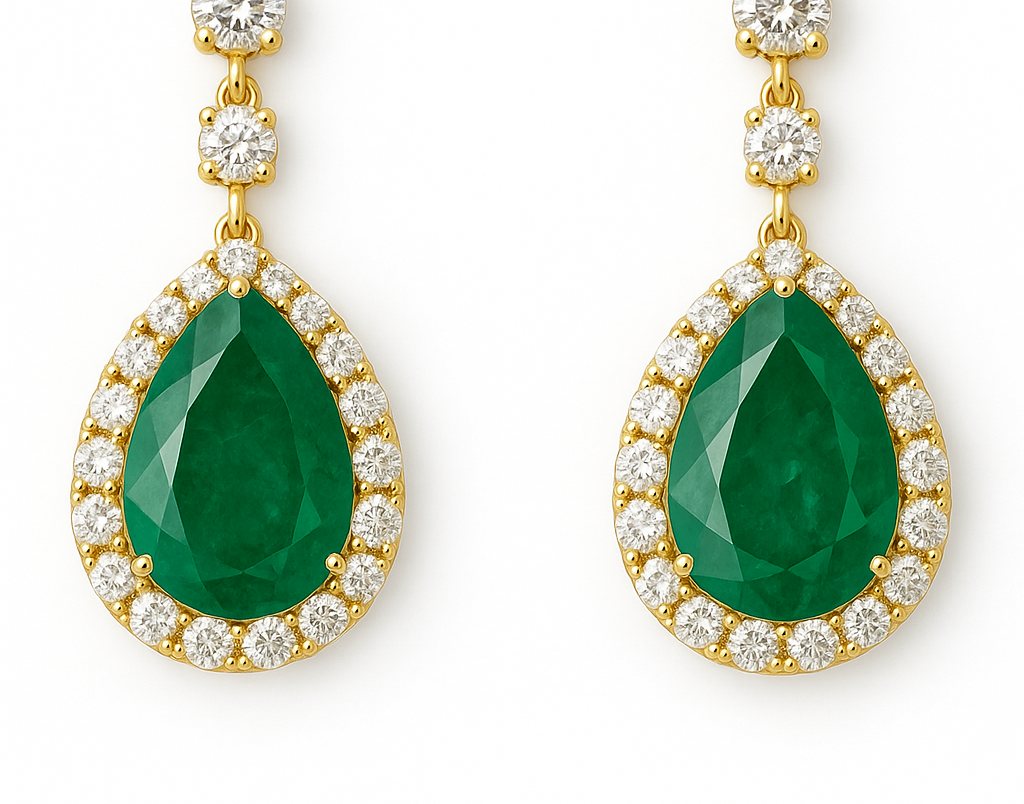
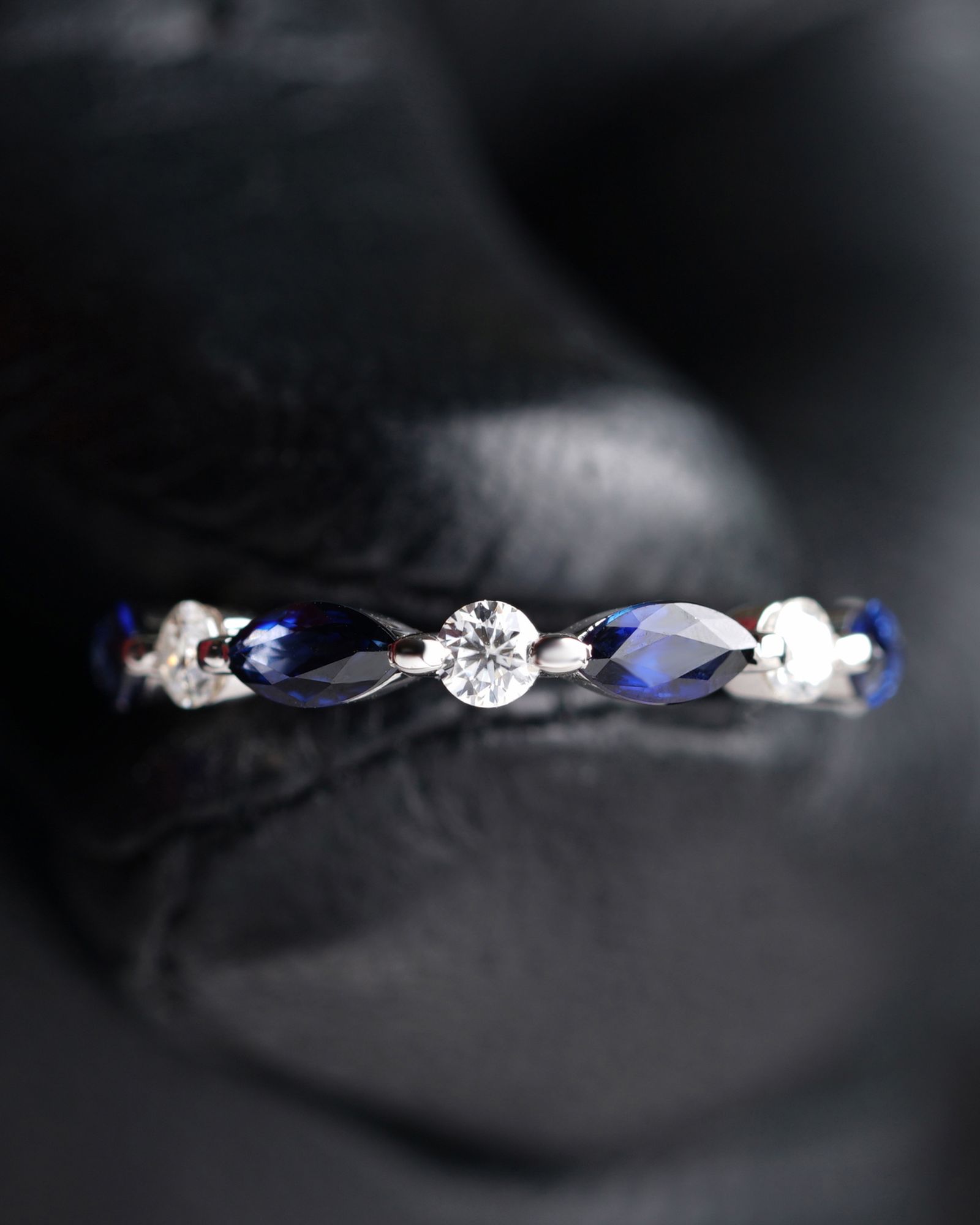
If rarity, heritage and resale matter most, choose natural. If you want maximum size and sparkle for your budget, lab-grown is hard to beat. Many clients mix both — a natural centre stone with lab-grown accents. Prefer a coloured stone instead? See our guide to natural gemstones like sapphire, ruby and emerald.
FAQ
Do lab-grown diamonds pass a diamond tester? Yes — they are genuine diamond and test positive.
Will a jeweller know? Only with specialised lab equipment; visually they are identical.
Ready to compare stones in person? Explore the collection or talk to a gem expert.